
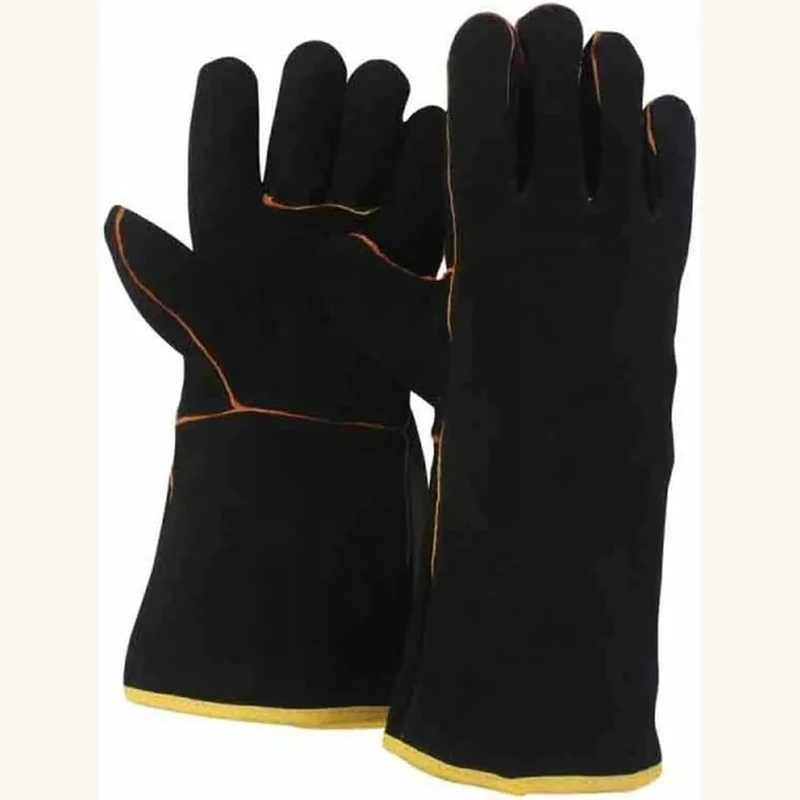
B0212 Premium Thorn Resistant Suede Gauntlet
Long suede gauntlets built for hawthorn, roses, and bramble clearances when short cuffs leave wrists exposed.
Check PriceBriers Gardening Gloves is the name British allotments, landscapers, and weekend weeders reach for when skin integrity matters. From breathable cotton to leather palms and nitrile dips, this hub explains how to match materials, cuffs, and sizes before you buy.
UK
Sizing language you recognise
4.7★
Typical retailer feedback
9
Topic hubs on this site
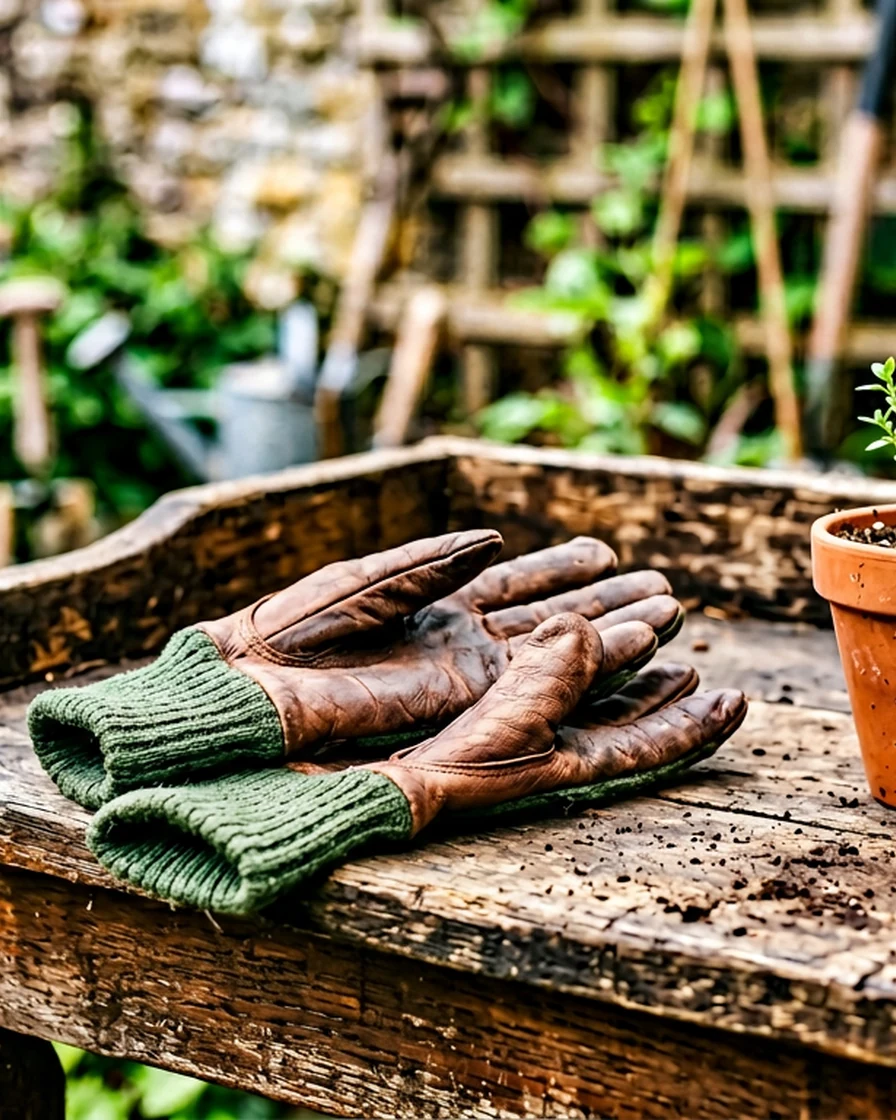
Grip when it matters
Dry, damp, or mucky soil
Each hub covers materials, cuffs, and realistic UK chores—from wet compost to brutal bramble cuts. Jump to the size guide whenever fit feels uncertain.
Grip for tools, rose pruning, and dry timber
Slimmer fingers, patterned cuffs, lighter linings
Long cuffs for roses, hawthorn, and brambles
Rotate pairs between shed, greenhouse, and car
Narrow palms, precision seed work, cold dexterity
Typical UK adult default—verify with our chart
Extra room for liners and long landscaping days
Four well-reviewed Briers pairs covering thorns, ladies leather fits, washable palms, and a thermal multipack—tap Check Price for live UK listings.
Long suede gauntlets built for hawthorn, roses, and bramble clearances when short cuffs leave wrists exposed.
Check Price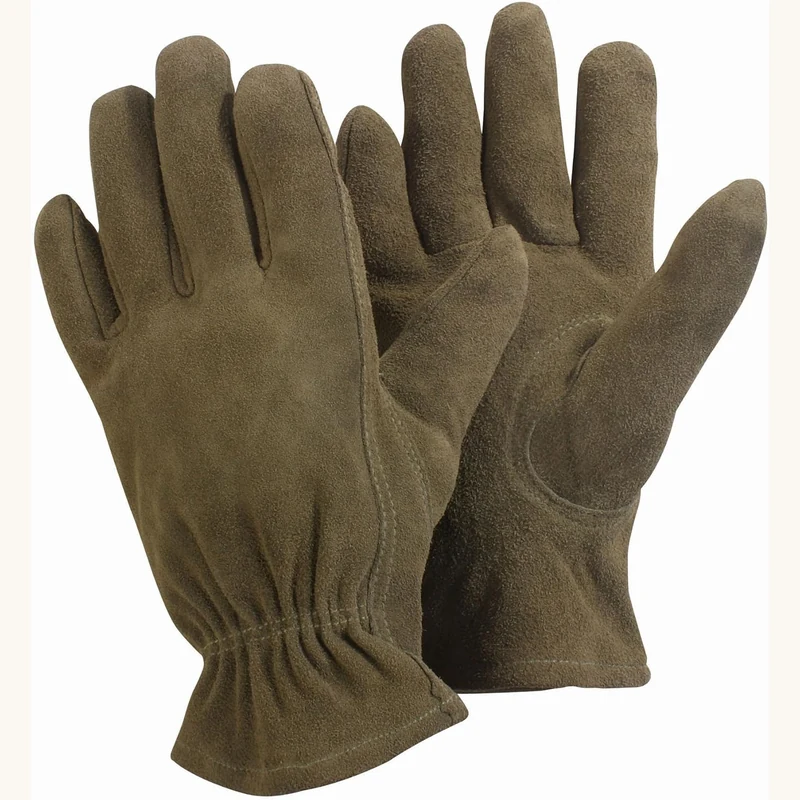
A narrower ladies leather fit in washable green—ideal when secateurs work needs control without floppy fingertips.
Check Price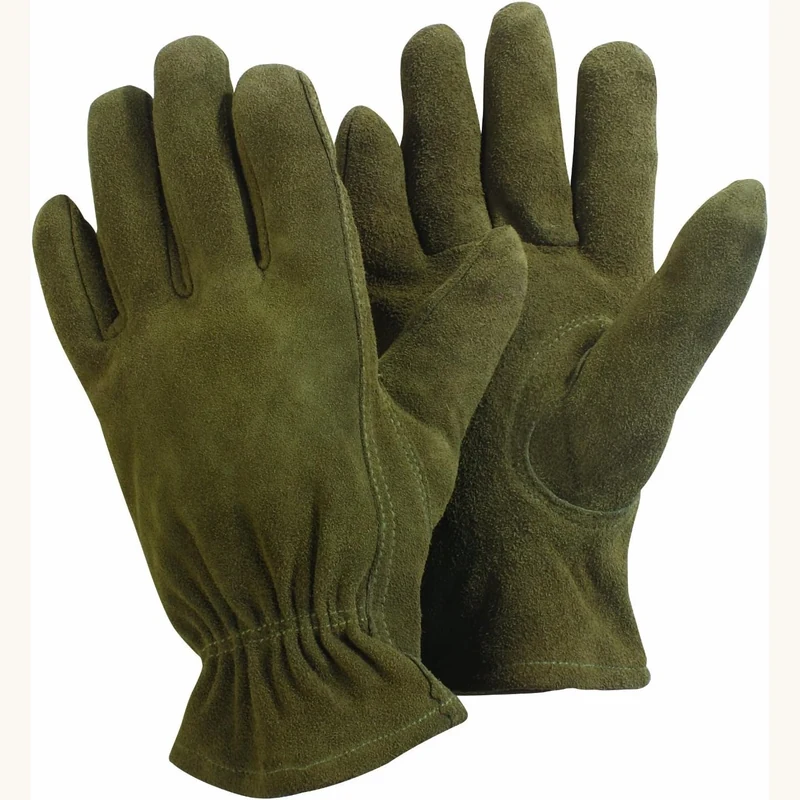
Olive washable leather palms for muddy weekend chores where you want grip that rinses clean after the plot.
Check Price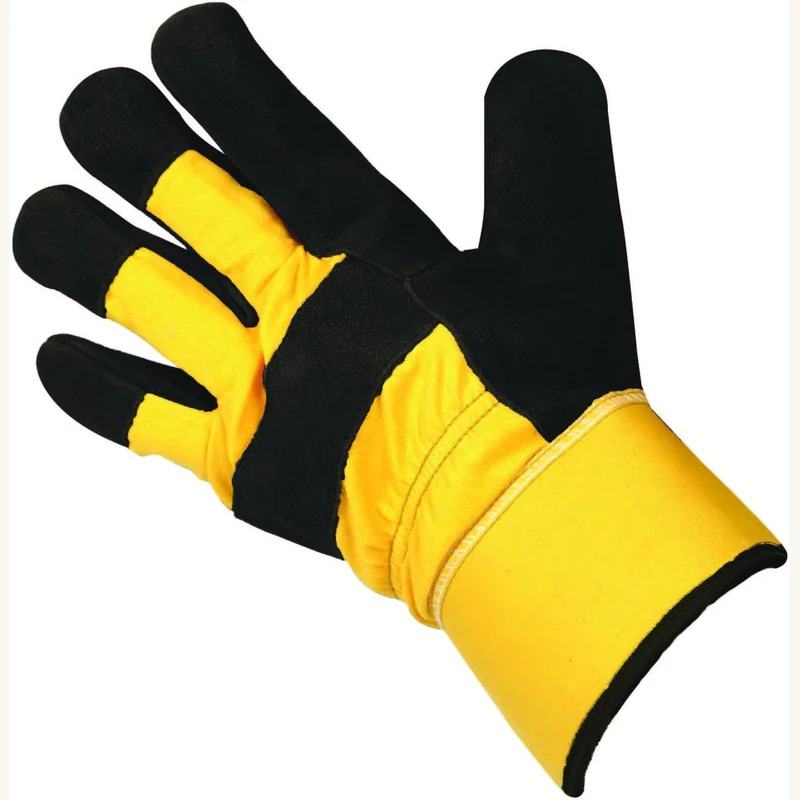
A two-pack thermal rigger set so one pair can dry while the spare stays in the shed for the next cold spell.
Check Price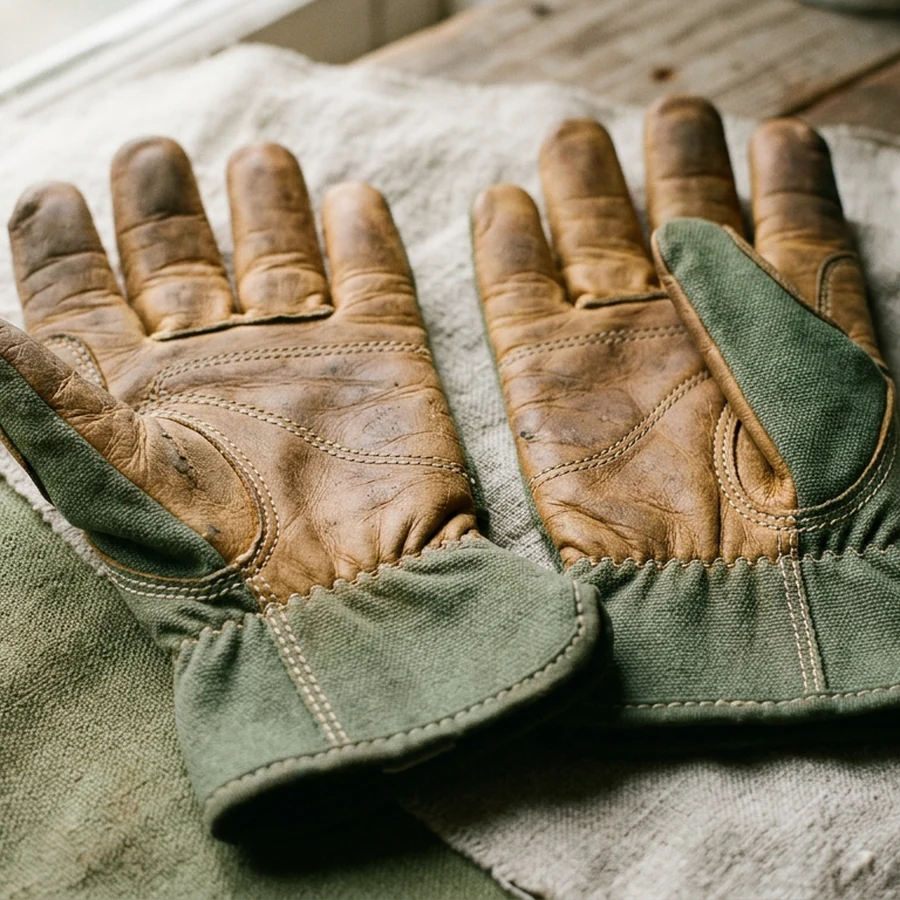
Briers Gardening Gloves earned shelf space because the range is honest: breathable backs for summer, dipped palms for damp compost, and gauntlets that actually clear hawthorn without drama.
Mud-season washing tips, new cuff launches, and allotment safety notes—no spam, unsubscribe anytime.
Guided by Harriet Winters, horticultural product editor.
Gardening gloves look interchangeable until the first hawthorn puncture or the first hour spent wrist-deep in cold compost. Briers Gardening Gloves built a following because the line spans honest materials—cotton jersey, leather palms, latex and nitrile coatings, thermal liners—without pretending one pair solves every chore. This long-read guide explains how British weather, soil types, and task intensity should steer your purchase before you click add to basket.
Lightweave cotton backs suit dry afternoons deadheading borders. Once you add water, manure, or sticky clay, a dipped palm buys grip and keeps dampness from wicking into seams. Landscapers stacking wet timber usually want something tougher than a fashion knit; hobbyists pricking out seedlings need tactile feedback. Write down your top three chores—rose pruning, greenhouse potting, hedge trimming—and rank them by abrasion risk. That list beats marketing adjectives every time.
Leather remains the default for dry grip on tools, thorny stems, and splintery pallets. It stiffens if neglected, yet responds to gentle cleaning and occasional leather balm on the palm only. Avoid soaking leather overnight; air-dry flat away from radiators. Our leather-focused hub walks through when split leather is enough versus full-grain patches, and how to spot reinforced thumbs on spade-heavy days.
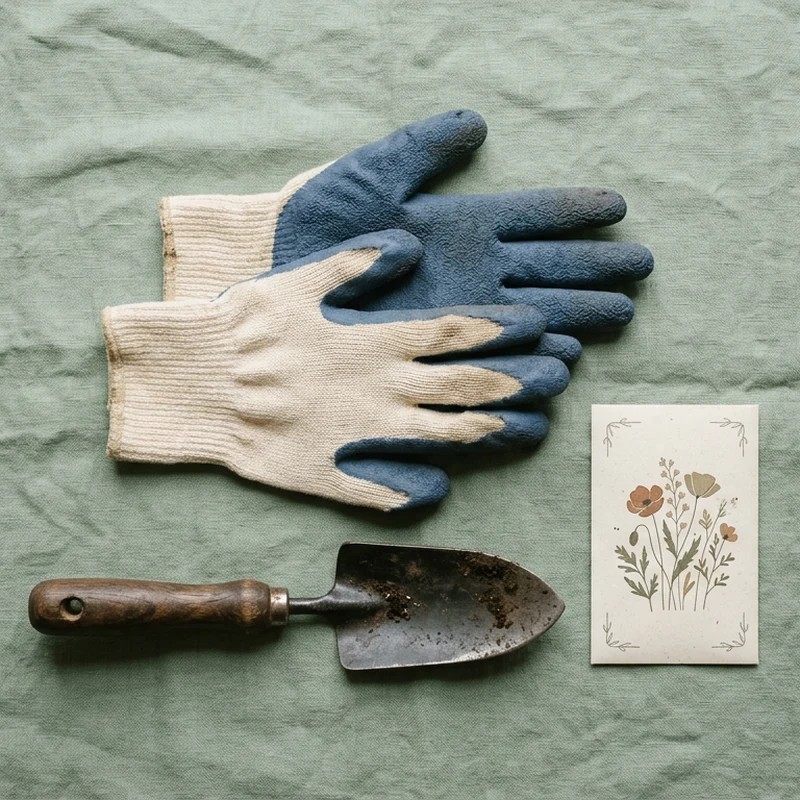
Rubberised or nitrile coatings add water resistance but reduce breathability. Rotate pairs: a coated glove for mucky trenching, a breathable knit for dry hoeing. If you work mostly under polytunnel plastic, prioritise sweat management—clammy hands blister faster than dry ones. Carry a second dry pair in a trug; switching mid-session beats forcing damp fabric against skin for hours.
Frost mornings demand thermal liners or a slightly larger shell that accommodates a thin merino liner underneath. If fingers feel cramped, dexterity drops and you compensate with awkward wrist angles. That is how fatigue injuries creep in. Our large-size page notes when to size up for liners without losing cuff coverage.
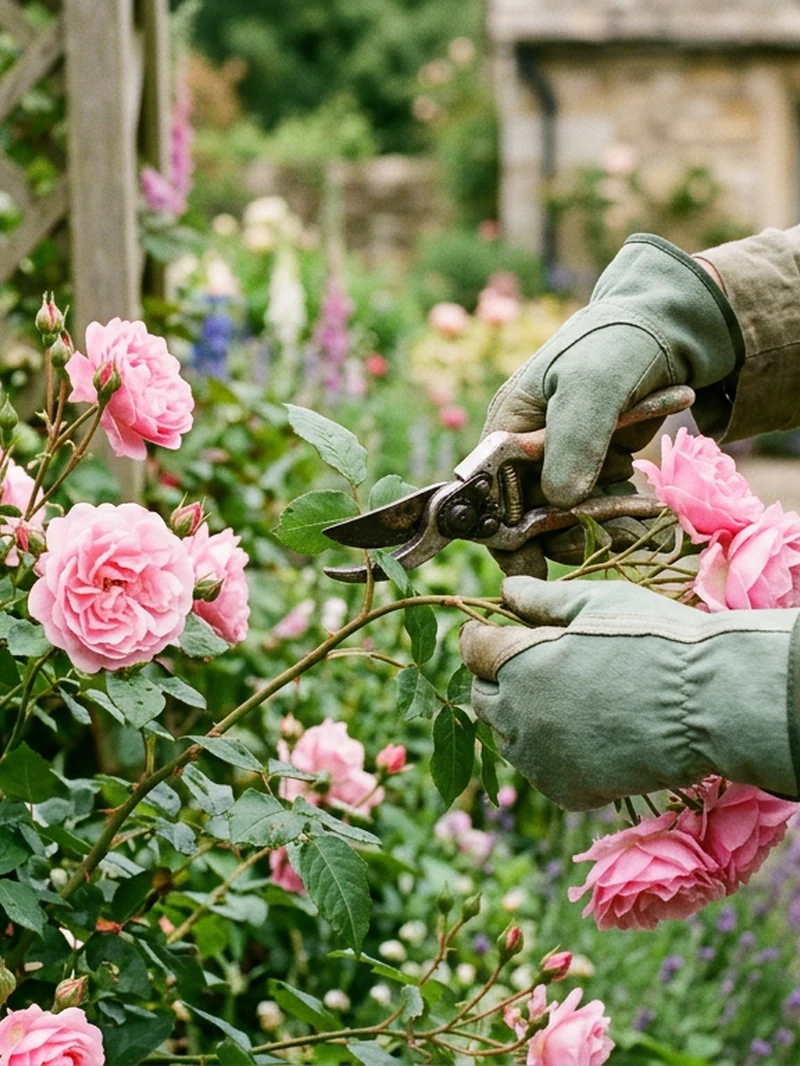
Short cuffs fine for salad beds; useless against arching blackberries. Gauntlet styles with rigidised panels or reinforced padding protect wrists and forearms when you reach into shrubs. Check seam placement—rough seams inside the thumb crotch become irritants after repetitive twisting. The thorn-resistant guide compares cuff lengths and materials honest enough for council landscaping crews.
Many UK retailers still label unisex when they mean medium male volume. Ladies' Briers lines often taper finger length and narrow palm circumference so control stays precise on secateurs. If fingertips swim in excess fabric, you lose fine motor control for seed sowing. Conversely, if knuckles feel pinched, blood flow drops and cold sets in faster. Treat fit as safety equipment, not vanity.
Narrow palms should start with the small-size hub, then cross-check middle finger length against the chart on the size guide. Medium is the statistical default for UK adults, but do not assume—measure once per season because joint swelling changes with age. Teen helpers and senior gardeners often need different SKUs even if they share a clothes size.
A three-pack bundle sounds like marketing until you assign colours: greenhouse pair, muddy outdoor pair, car boot emergency pair. Families stop arguing about who borrowed whose gloves when colours encode purpose. Wash knits on gentle cycles inside a pillowcase; coatings prefer wiping with a damp cloth unless the label explicitly allows machine washing.
Rinse mud before it dries into abrasive grit between fibres. Hang gloves open-fingered on a line, not crumpled on a radiator. Retire any pair with holes at the fingertip or a failed coating that exposes skin to bramble tears. Keeping a ruined pair invites complacency; stash a backup new set before peak pruning season instead of scrambling after the first injury.
Commercial teams burn through palms faster and should track weekly wear patterns—if the right thumb always fails first, you may be twisting shovel handles inefficiently. Weekend gardeners often stretch one pair across incompatible tasks; splitting roles across two designs extends life. Either way, Briers Gardening Gloves earns repeat purchases when shoppers align SKU choice with workload instead of grabbing the nearest discount bin.
Allotment committees increasingly talk about clubroot, allium white rot, and jumping worm introductions—not to frighten beginners, but to normalise simple hygiene. Gloves that never cross from imported compost areas to clean propagation benches are cheap insurance compared with losing a brassica rotation for years. Label pairs with paint pen dots inside the cuff: one dot for "quarantine" beds, two for "clean" greenhouse work, none for general outdoor slog. Wash knits on gentle cycles only after the muddy pair has spent a night drying open, because tossing damp gloves into a drum breeds mildew faster than it removes soil.
Death-gripping tool handles while wearing sticky coatings masks slip until your extensor tendons complain at night. If you wake with stiff forearms after hedge days, audit glove fit first: excess palm material forces compensatory squeezing, while undersized shells block full knuckle closure. Alternate leading hands on bilateral tasks, loosen straps on battery tools to manufacturer specs, and schedule breaks that remove gloves entirely so skin can gauge temperature honestly. Pain is diagnostic data, not a badge—resize, rotate materials, or change handle diameter before blaming age.
Sea spray accelerates metal snap corrosion on wrist closures; rinse and air-dry gloves after windy weekends on exposed coastal plots. City gardeners juggling particulate pollution from nearby roads should brush dry soil before storage so grit does not lap fibres like sandpaper. Courtyard growers with reflected heat from brick absorb more UV than open-field peers—lighter colours on glove backs reduce radiant load, while darker tones hide stains but cook knuckles in August. Let your microclimate steer colour and coating choices, not whatever looked tidy on a warehouse shelf.
Stiff finger joints sometimes need slightly larger shells with thin silicone grip wraps added to tool handles rather than wrestling tight gloves. Velcro cuffs beat elastic for anyone who cannot pinch fabric aggressively. If neuropathy dulls touch feedback, favour palms with predictable texture instead of ultra-slick coatings, and inspect skin after sessions for blisters you did not feel forming. Retail try-on is ideal; when that is impossible, order two adjacent sizes during promotional postage windows and return the loser promptly so stock stays fresh for the next shopper.
We cite manufacturer care labels, peer feedback from UK retailers, and independent safety guidance on hand protection—not because every paragraph needs a hyperlink, but because transparent sourcing matters when skin is on the line. Email hello@briersgardeninggloves.co.uk with hand measurements if you are between sizes; we answer with numbers, not slogans.
Close by revisiting your chore list. Match leather where dryness and abrasion dominate, coatings where damp dominates, gauntlets where thorns dominate, and precise knits where seeds dominate. Internal links above thread into deeper pages so you can bookmark the section that mirrors your plot—whether that is a windy Scottish allotment or a sheltered courtyard in Cornwall.
We favour straight talk on materials, measurable cuffs, and repair-friendly construction—because gloves should outlast one short British summer.
Leather patches called out where palms take load.
Small, medium, and large hubs with measurement tables.
Guidance shaped by UK plot holders and landscapers.
Mud, mildew, and UV—topics other glossies skip.
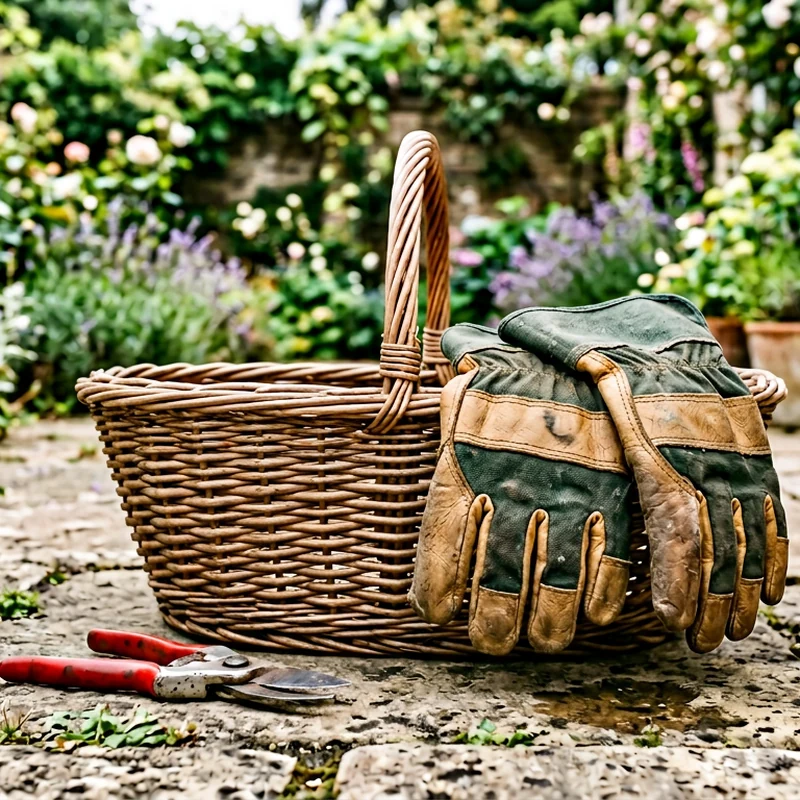
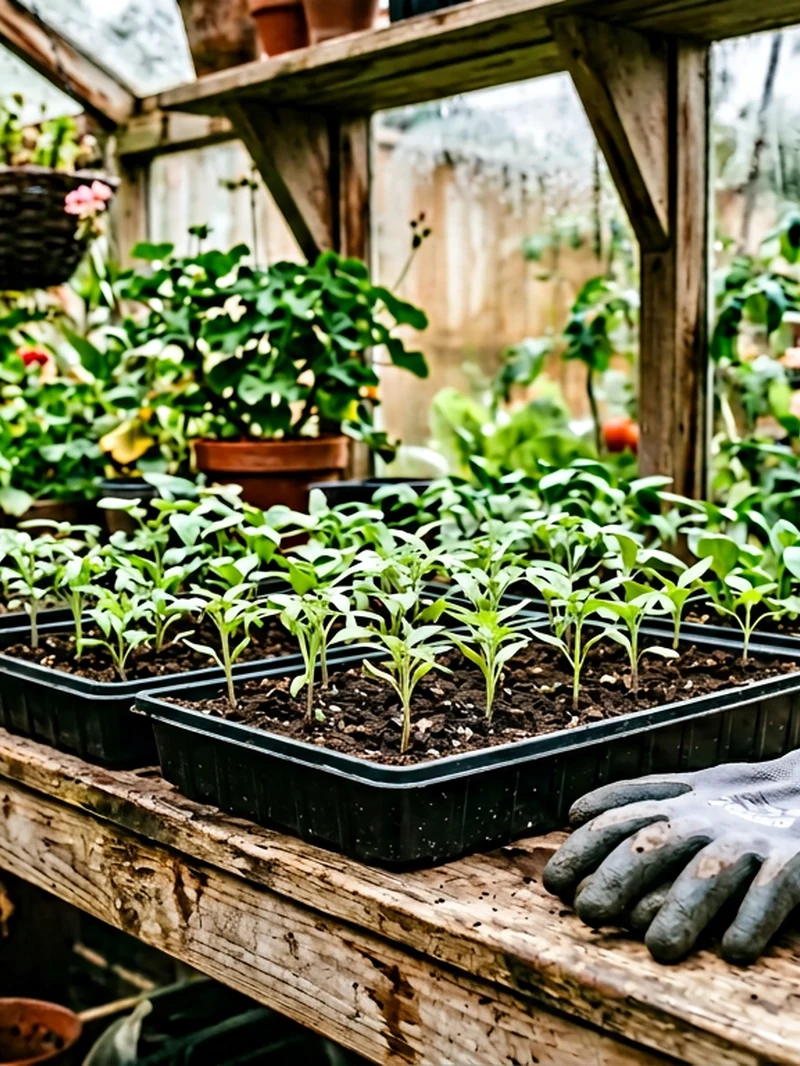
Tag #BriersGlovesUK when you post—we feature allotments, patios, and pro crews alike.
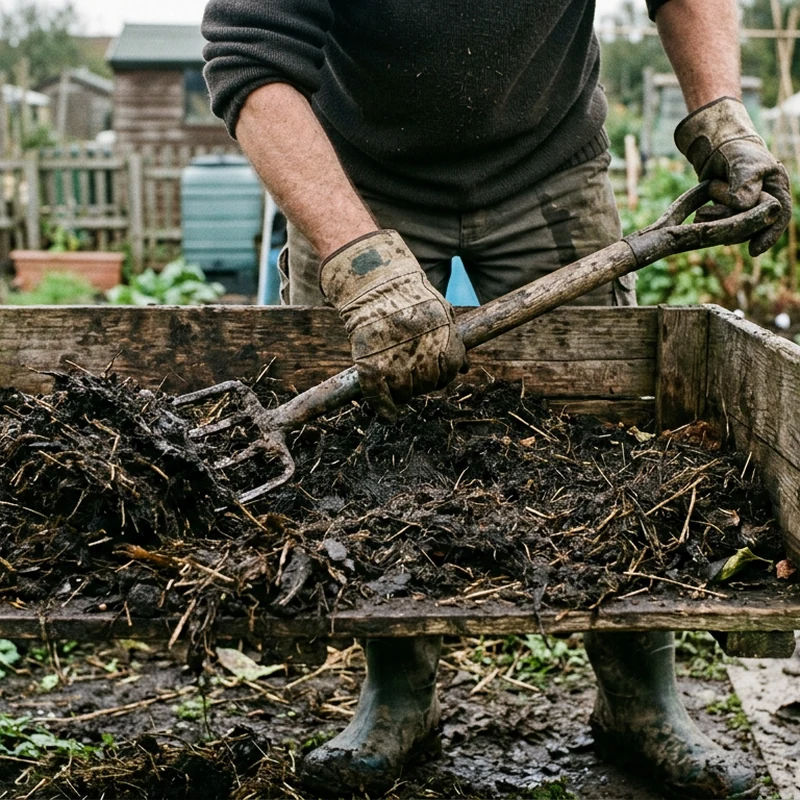
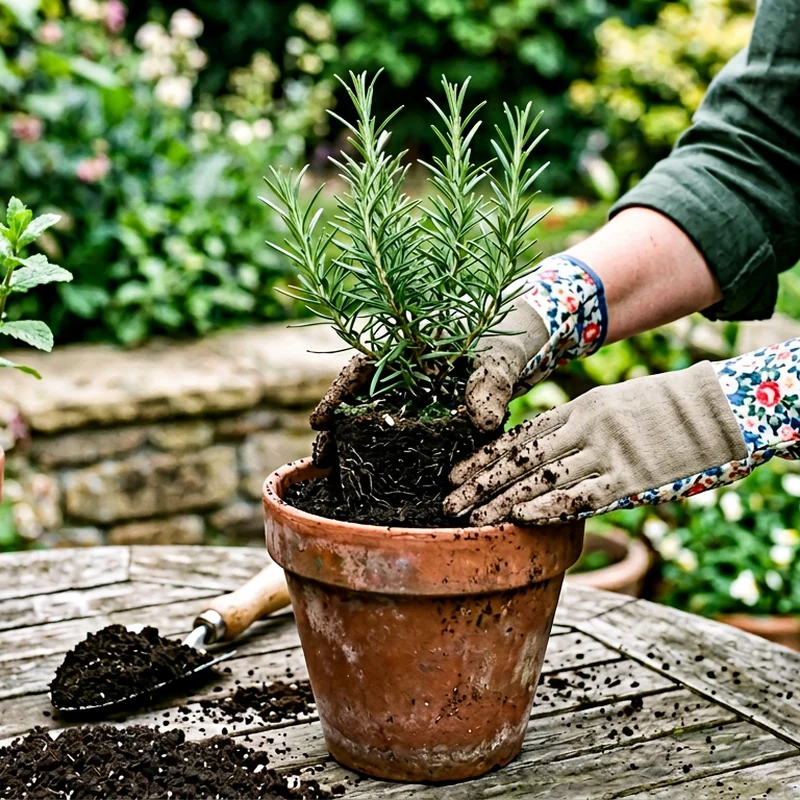
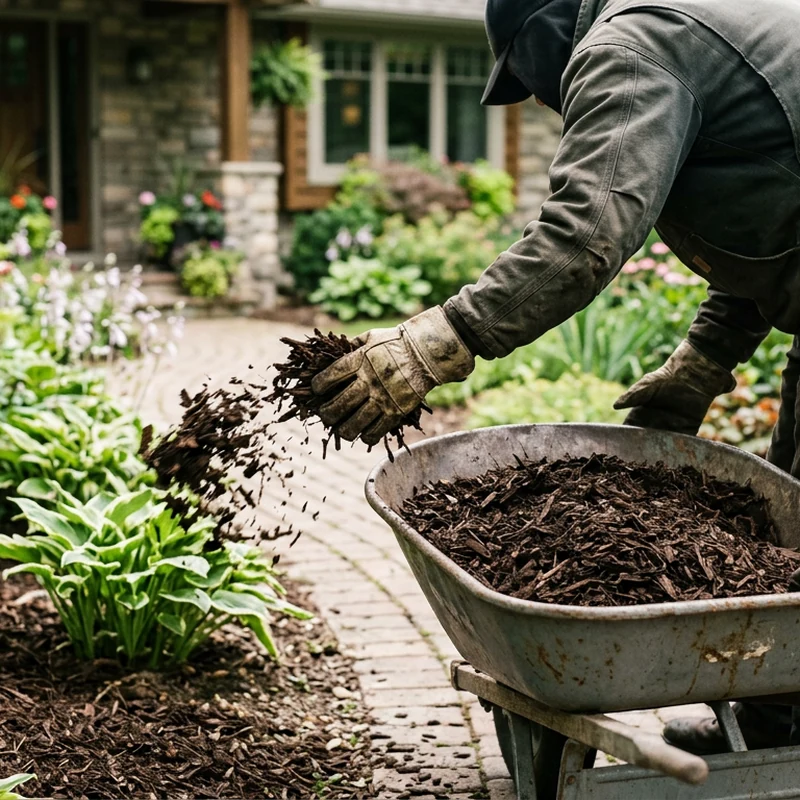
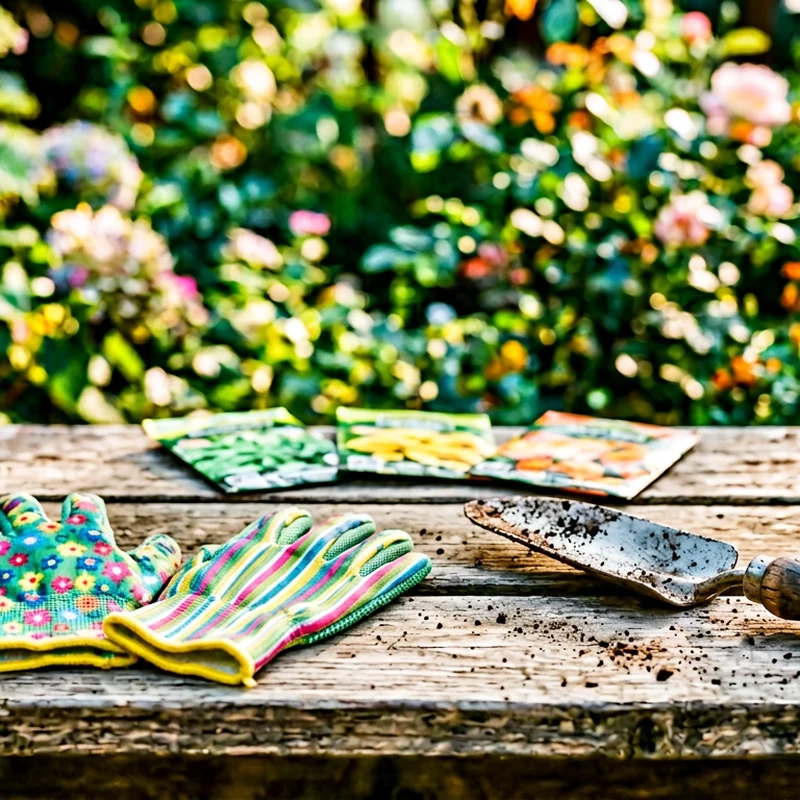
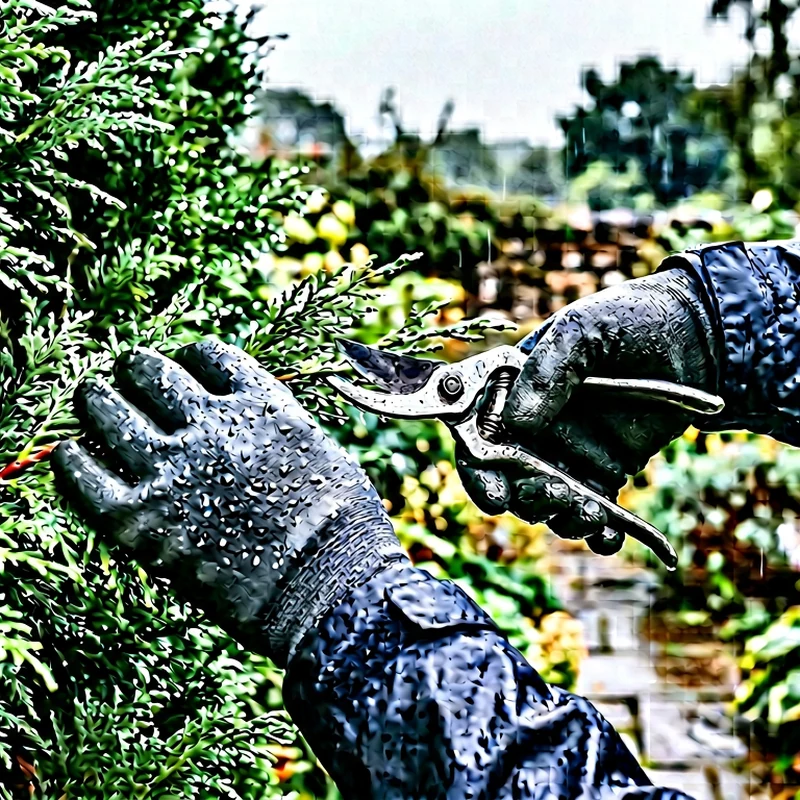
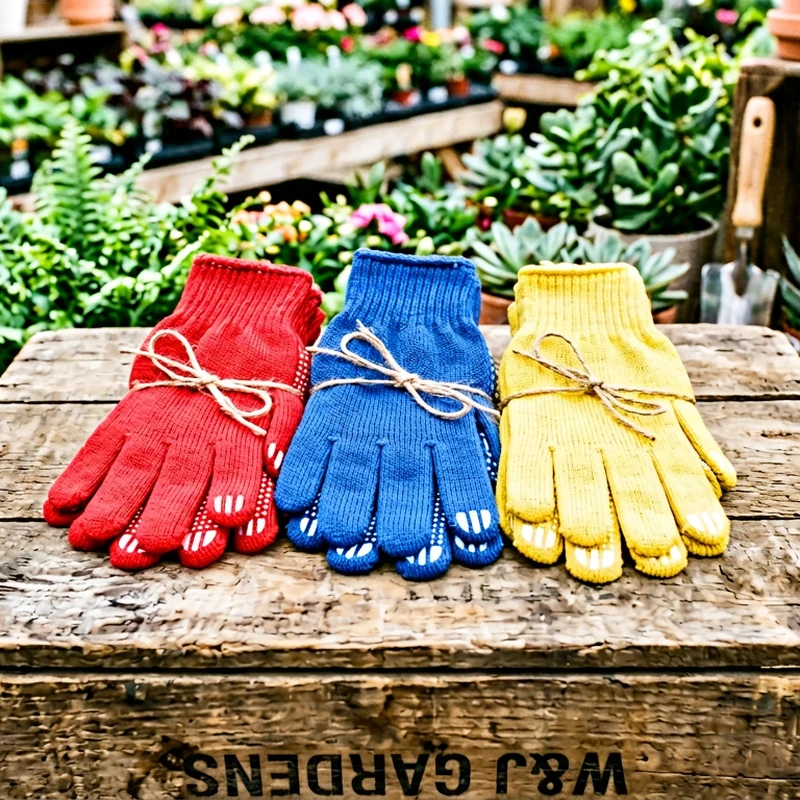
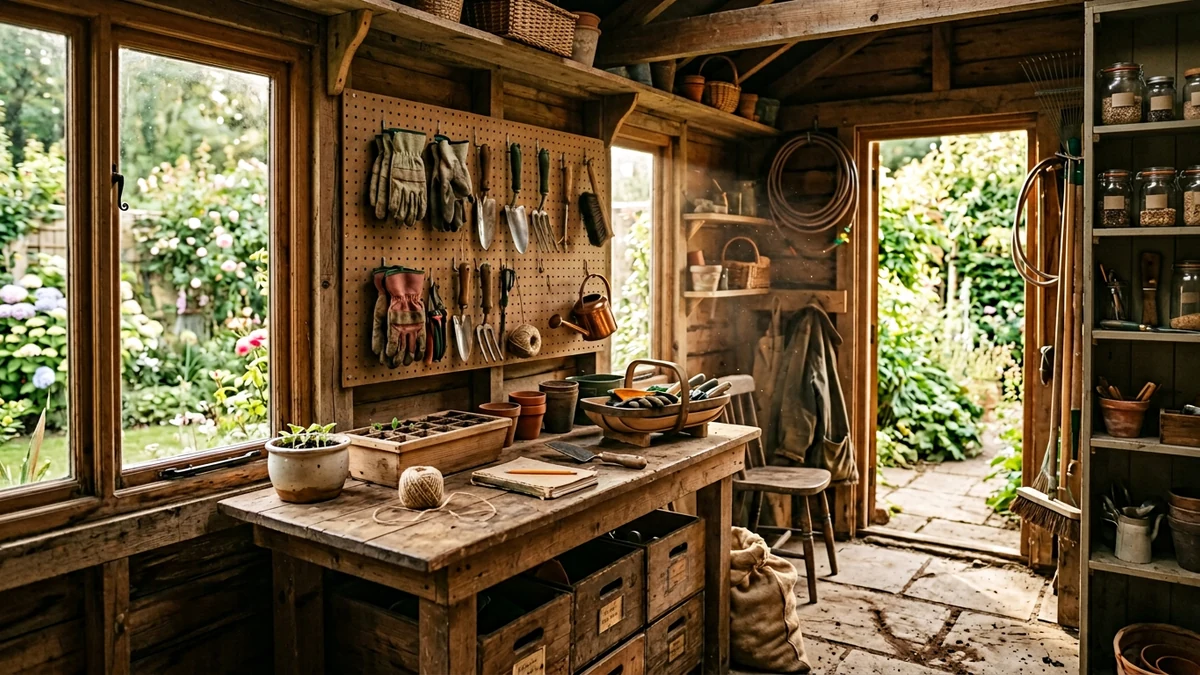
This microsite exists so UK shoppers can compare leather, dipped, knit, and gauntlet styles without wading through generic marketplace copy.
Glove topics documented
Dedicated hub pages
Measurement language
Muddy weekends survived
Composite notes from UK gardeners—stories align with what we hear in shops and inboxes.
"The long-cuff pair survived a weekend clearing blackthorn without a single puncture. Finally gloves that match the marketing copy."
Helen Marsh
Allotment secretary, York
"I measure narrow across the palm and the small size chart here matched what arrived—no more floppy fingertips."
Priya Nair
Landscape architect, Glasgow
"Leather palms on the potting bench pair dried out fine after a soak—no stiff cardboard feeling by day three."
Owen Griffiths
Head gardener, Pembrokeshire
"Three-pack knit gloves live in the shed, greenhouse, and car. Colour coding sounds silly until you stop losing pairs."
Sasha Williams
Hobbyist, Birmingham
Start with the hub that mirrors your worst chore—thorns, wet compost, or precision seed work—then confirm measurements on the size chart.