
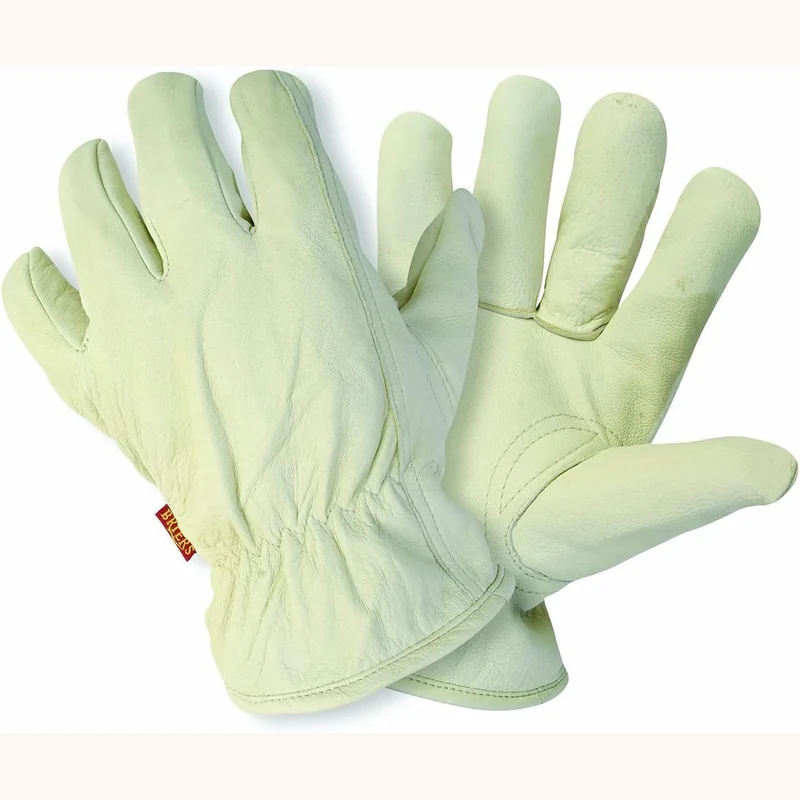
Lined Hide Gloves White Medium
Classic lined hide palms for dry tool days—spades, loppers, and timber handling without sticky coatings.
Check PriceLeather palms reward anyone who grips spades, loppers, or rose stems for hours. This page unpacks tannage basics, break-in, and honest limitations so you buy once.
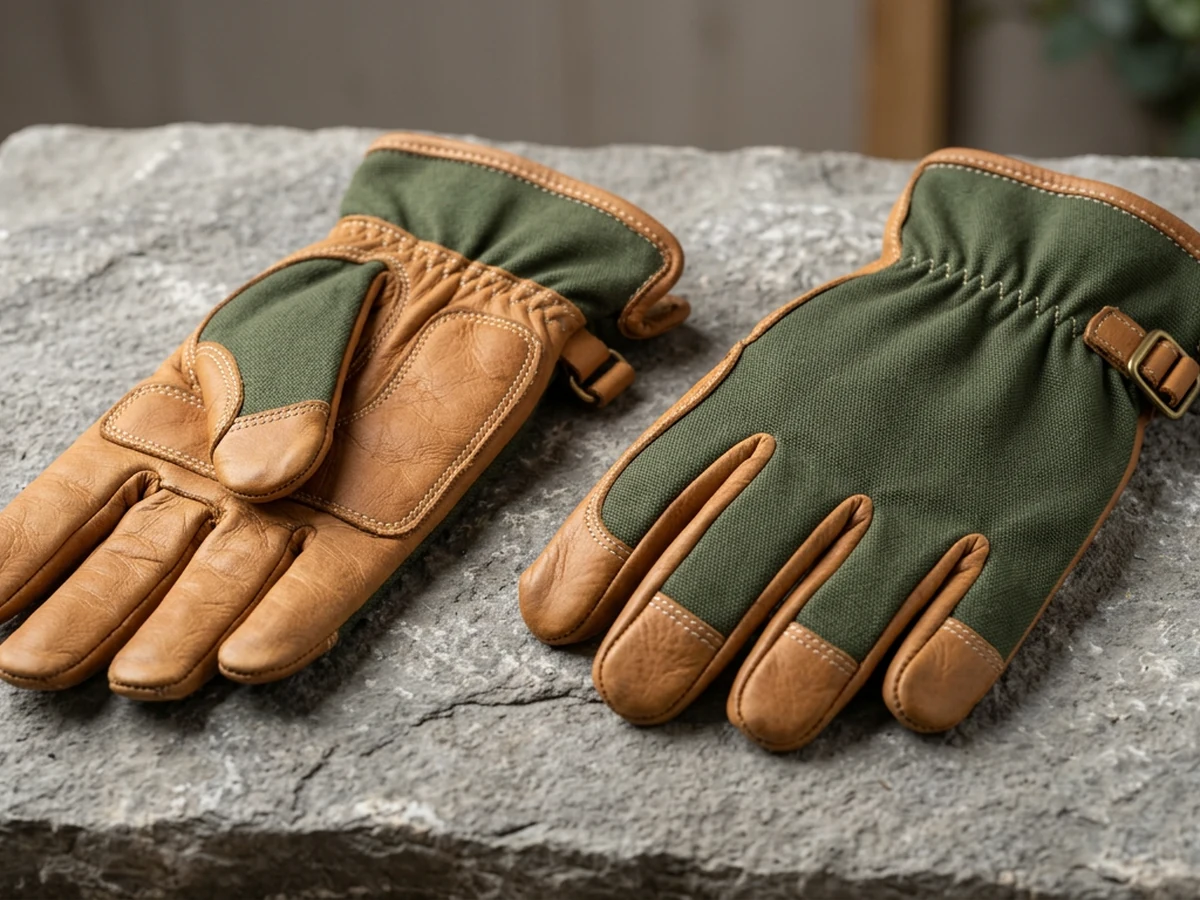
Hide palms and washable leather options when dry abrasion and handle grip matter more than dipped coatings.
Classic lined hide palms for dry tool days—spades, loppers, and timber handling without sticky coatings.
Check Price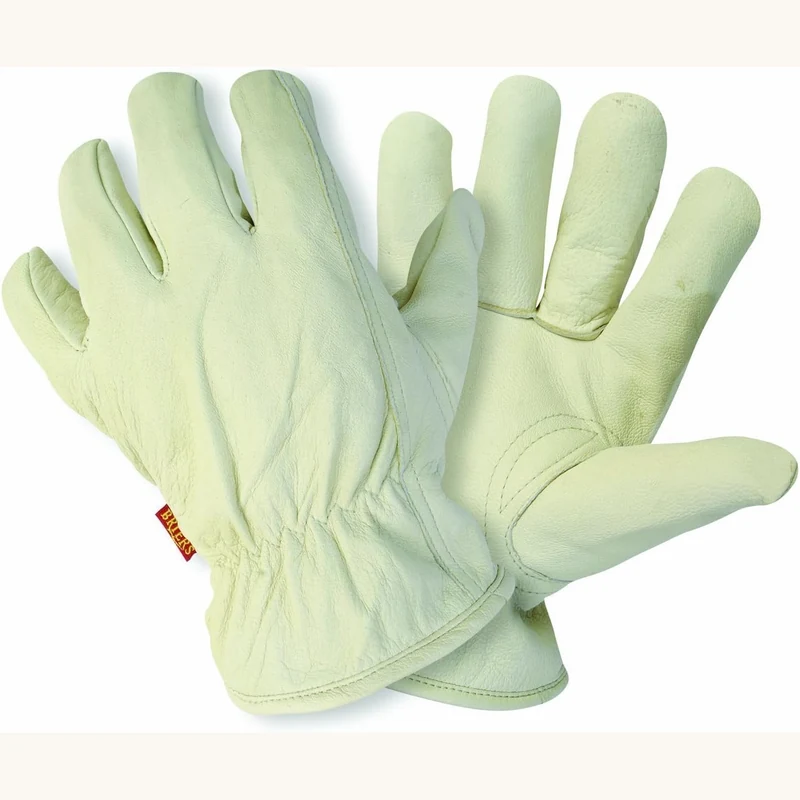
Roomier lined hide for larger hands that still need leather feedback on handles and dry abrasive stems.
Check Price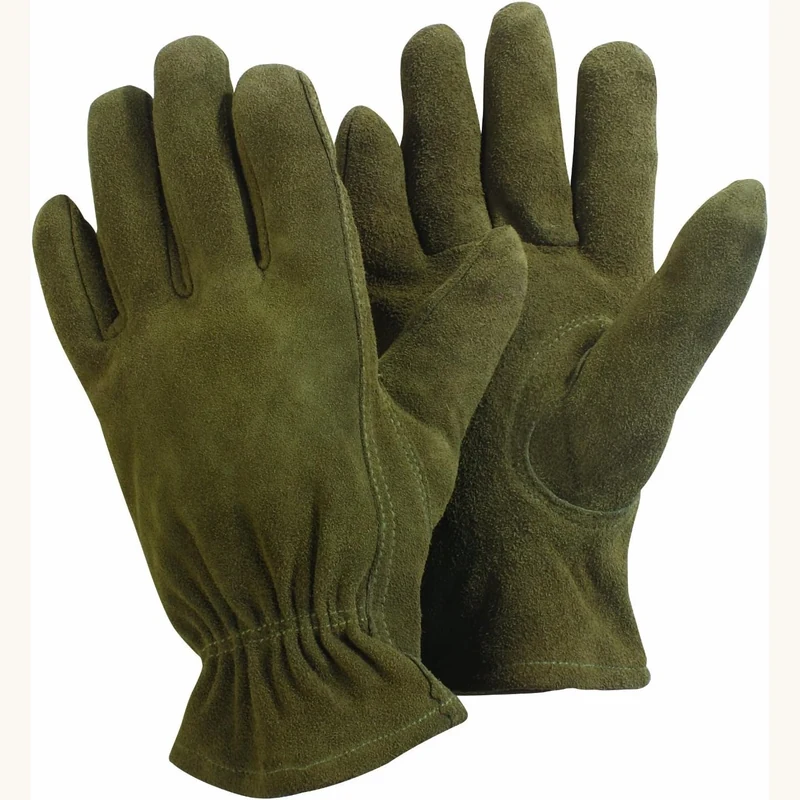
Olive washable leather palms for muddy weekend chores where you want grip that rinses clean after the plot.
Check Price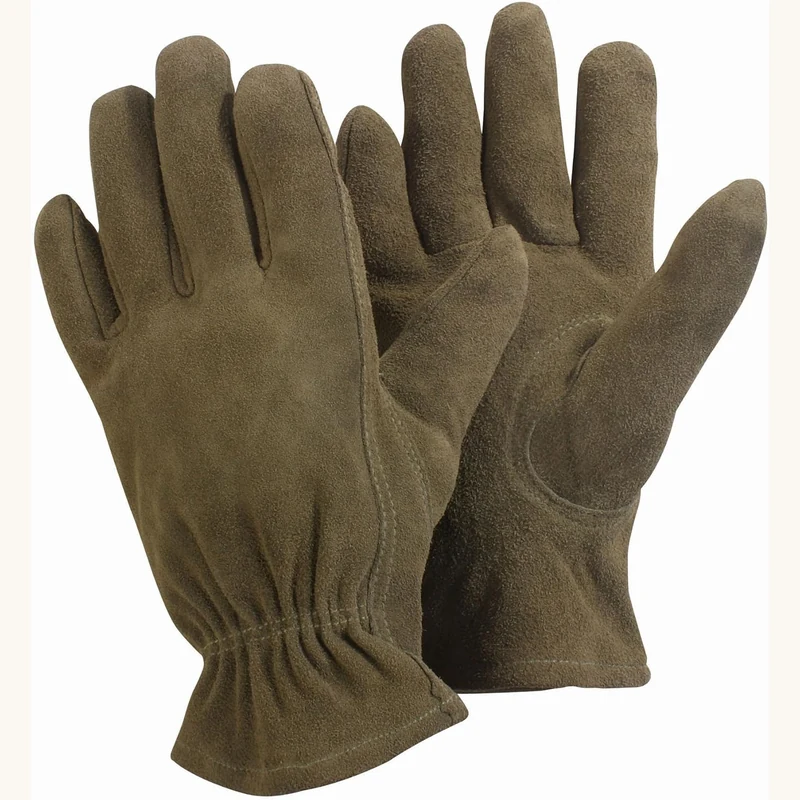
A narrower ladies leather fit in washable green—ideal when secateurs work needs control without floppy fingertips.
Check PriceLeather is not magic—it is a trade-off between breathability, abrasion resistance, and maintenance minutes. Briers Gardening Gloves often pair leather palms with cotton or synthetic backs so your knuckles can still vent heat during July weeding while the palm survives friction from hardwood handles.
Nitrile coatings excel in damp compost because they shed water. Leather prefers drier regimes: hedge cutting in light drizzle is fine, but dunking gloves in a water butt invites stiffness. If your primary chore is power-washing patios, keep a dipped pair beside a leather pair for separate jobs. Rotating materials extends the life of both.
Tool vibration matters. A leather palm with modest padding dampens the buzz from petrol blowers or hammering stakes better than a single-layer knit. Landscapers notice fewer hot spots along the thenar eminence after long shifts when the hide compresses slightly instead of folding into ridges.
Split leather (suede-faced) offers fuzzy grip on smooth metal tool shafts. Grain leather feels firmer and can shed mud more cleanly once brushed. Neither is universally superior—rose enthusiasts may prefer grain near thorns because fibres align tightly, while bark-chip spreaders like split leather for grabby texture.
Inspect stitching at the thumb crotch. Double rows or reinforced bar tacks suggest the manufacturer expects torsional stress. Single-thread lines may suffice for light potting but fail fast under levering motions. Briers lines generally target working gardeners, yet SKU variance still exists—read cuff labels before assuming pro-tier construction.
New leather can feel board-stiff. Wear them for thirty minutes of low-risk tasks—sorting seed trays—before tackling brambles. Avoid soaking to accelerate softening; waterlogging swells collagen unevenly. If you must clean, use a damp sponge, pH-neutral saddle soap sparingly, and condition only after full air-drying.
Store flat or hung by the cuff opening, not crushed under terracotta stacks. Creases become stress risers that tear later. A simple peg rail beside the potting bench beats shoving gloves into a damp trug.
Winter gardeners sometimes add thin merino liners. That usually bumps you one size unless the shell already runs generous. Compare notes between our small, medium, and large hubs if fingertips feel cramped once a liner slides in.
Leather helps, yet long spikes can still find seams. For hawthorn or wild rose restoration, stack a thorn-resistant gauntlet approach: either a dedicated cuff-heavy SKU or leather palms married to extended synthetic armour. Never rely on wishful thinking near eye level branches.
Spring mud introduces grit—brush dry gloves after each session. Summer sweat salts accumulate—wipe interiors with a cloth to prevent crust. Autumn leaf mould spores cling—sun-air before storage. Winter frost stiffens oils—condition lightly if leather looks chalky, but avoid petroleum-heavy goops that clog pores.
Allotment associations increasingly worry about soil-borne pathogens hitchhiking on tools and gloves. Dedicate one leather pair to suspect beds and another to clean propagation areas. Bleach baths destroy leather—use quaternary sprays only where labels allow, and never mix chemistry without ventilation.
Death-gripping handles elevates forearm tension. Leather friction can mask subtle slip until blisters form. Relax shoulders, alternate leading hands on bilateral tasks, and pause hourly on commercial shifts. Pain is data, not heroism.
Hang-tags summarise tannage in marketing verbs. Flip cuffs for batch codes; search recalls if buying clearance. Photography under studio lighting skews colour temperature—compare in daylight where possible.
Chalky downland soil behaves like fine sandpaper on suede splits. Heavy Essex clay cakes in palm creases until you develop a post-session scraping habit. Peaty Scottish beds hold moisture longer, demanding more frequent drying than you might expect from temperature alone. Let your postcode inform maintenance cadence, not just Instagram aesthetics.
Even domestic users now borrow professional awareness from HSE leaflets: anti-vibration stack-ups belong on machinery first, gloves second. Leather can dampen micro-vibration from hedge trimmers slightly, but never substitute PPE tiers—ear and eye protection still lead.
Dark dyes absorb heat; pale dyes show staining. Neither is wrong—match pigment strategy to whether you melt in August or launder obsessively. Store out of car dashboards; UV cooks polymers unpredictably.
Worn leather belongs in general waste unless your council runs textile recovery accepting workwear—check locally. Do not burn coated gloves; fumes risk. Cutting old pairs into rags for non-skin contact shop tasks squeezes one more lifecycle.
DIYers who oscillate between engine oil and compost should never share one leather pair across both worlds. Mineral spirits strip natural oils unpredictably, while grit embedded in palm creases transfers to salad leaves if you forget to swap. Keep a labelled workshop pair and a garden pair on separate hooks; the ten pounds of discipline beats a ruined hide or a stomach bug you cannot trace.
Wet cement is alkaline enough to damage skin and to crust into leather pores. If you pour footings on the same weekend you edge beds, rinse gloves immediately and condition lightly once bone dry. Chronic exposure without cleaning hardens leather into plates that crack across flex lines—retire the pair rather than trusting it on rose stems.
Some readers restore Victorian spades and want gloves that photograph authentically. That is fine for styling, but working collectors still need modern reinforcement at the thumb post. Use heritage shots with awareness: Instagram patina should not lure beginners into under-protected grips on heavy iron.
Plot holders who keep hives nearby sometimes grab garden leather when moving supers. Bee propolis sticks aggressively; dedicated bee gloves exist for a reason. If you insist on leather, accept that scraping wax will consume evenings and may void any water-repellent dressing you applied.
After shed thefts, insurers sometimes ask whether reasonable PPE was stored alongside power tools. A dated photo of gloves on a pegboard beside labelled sizes can sit in your evidence folder next to serial numbers. It is not paranoia—claims adjusters work from paperwork, not your memory of careful habits.
If you employ young helpers for summer pruning, issue leather palms early and demonstrate how torque propagates through wrists. Cheap disposables teach bad form; proper leather gives tactile feedback that coaches posture. Document training briefly; UK employment contexts reward paper trails.
Email hello@briersgardeninggloves.co.uk with photos of wear patterns if you are unsure whether leather is the right material for your rotation.
Return home, explore ladies' fits, or jump to the size guide before checkout.