
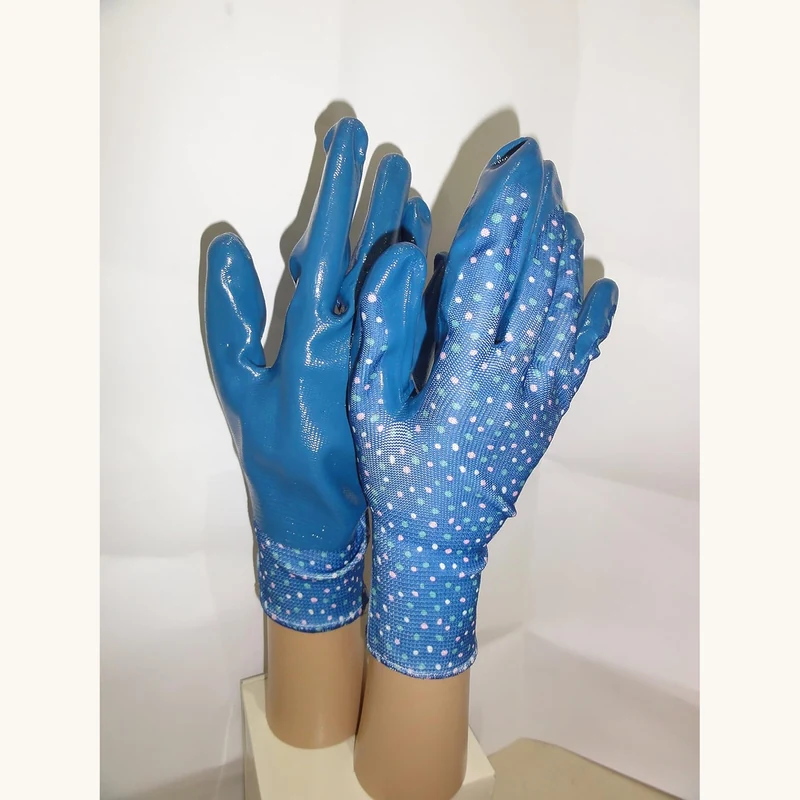
Seed & Weed Blue Spotty Medium
Light seed-and-weed gloves for greenhouse potting and fine weeding when heavy leather feels like overkill.
Check PriceNarrow palms should not mean disposable quality. We decode small-size labels, liner stacking, and tool control for UK shoppers.
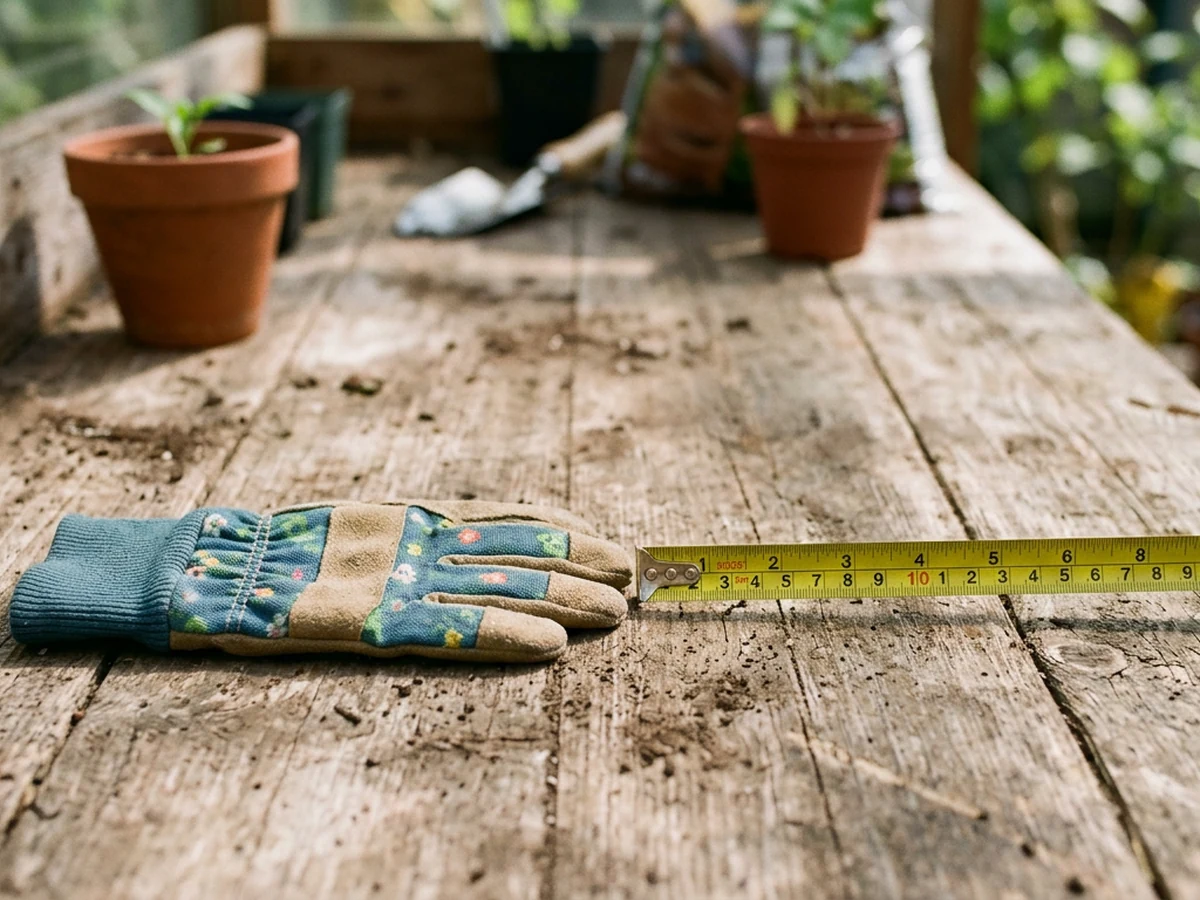
Medium and ladies listings that typically suit smaller UK hands—always cross-check the size chart before you order.
Light seed-and-weed gloves for greenhouse potting and fine weeding when heavy leather feels like overkill.
Check Price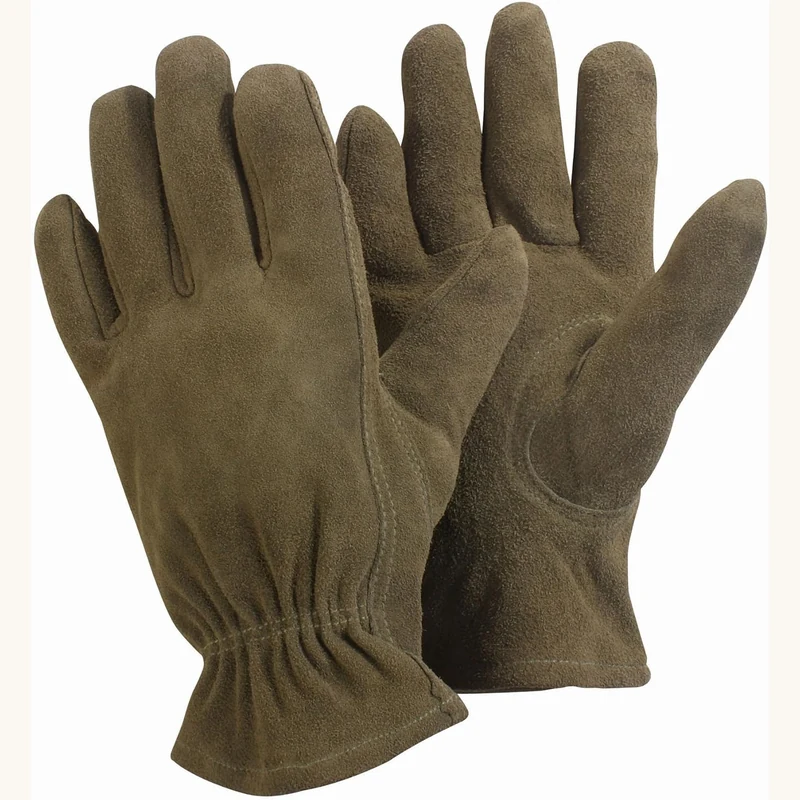
A narrower ladies leather fit in washable green—ideal when secateurs work needs control without floppy fingertips.
Check Price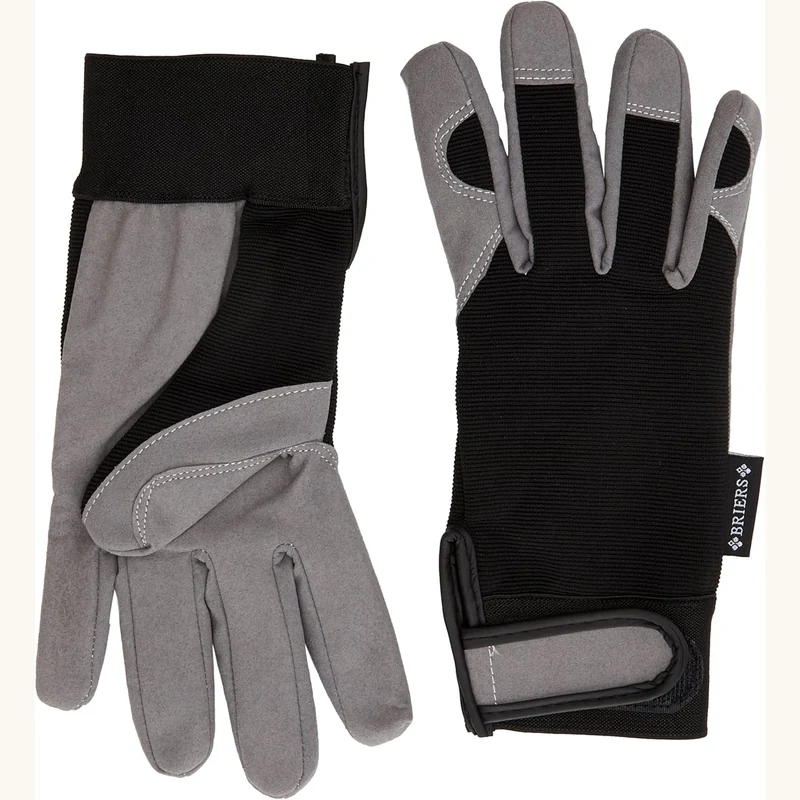
Everyday professional mediums with a grey-black finish for allotment crews rotating between beds and tools.
Check Price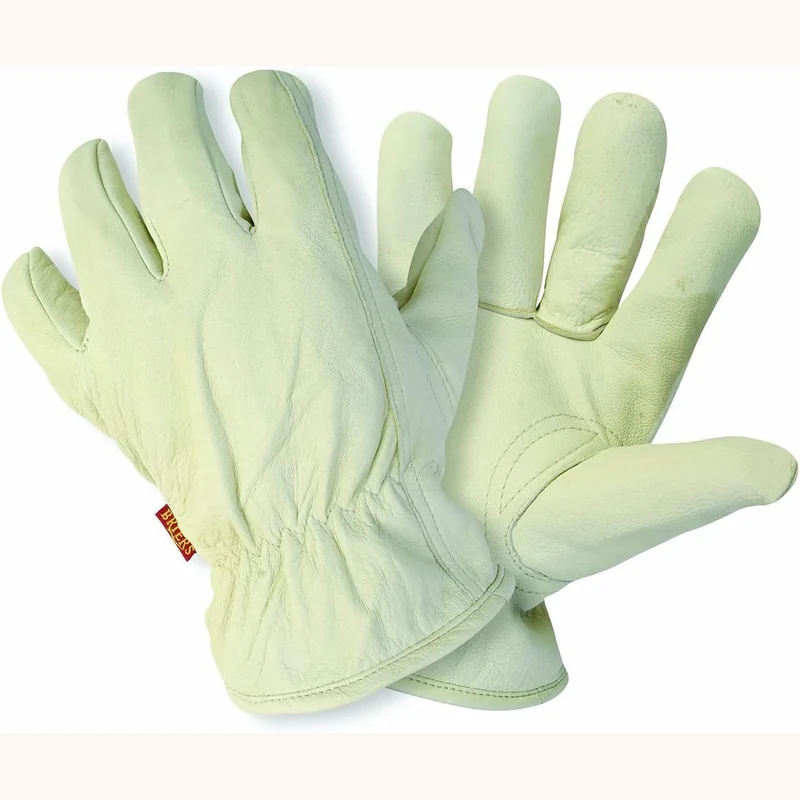
Classic lined hide palms for dry tool days—spades, loppers, and timber handling without sticky coatings.
Check PriceSmall is not merely a marketing label—it should reflect shorter finger columns and reduced palm volume. When Briers Gardening Gloves small sizes fit well, you gain accuracy for seeding, cabling ties on espaliers, and fiddly bulb planting without excess fabric bunching at the fingertips.
Record dominant-hand circumference and middle-finger length in millimetres. Compare both to the size guide; if they land in different suggested sizes, favour finger length for dexterity tasks and circumference for leverage tasks. Teen gardeners may still be growing—re-measure each spring.
A thin thermal liner can consume five millimetres of interior space. If knuckles feel pinned, jump to medium for winter only, or choose a small shell rated for layering. Never tolerate white fingertips—circulation loss is not toughness.
Narrow hands sometimes wrap small-diameter spades better, yet factory tool handles assume average male grips. Leather palms with modest padding fill the gap without forcing you into oversized gloves. Test closure: you should fully curl fingers around the handle without the palm sliding forward.
Small gloves are not toy gloves. Verify cuff coverage against your forearm length when reaching into shrubs. Pair with gauntlet advice if you restore hedgerows regularly.
True child lines differ from adult small. If you are buying for ten-year-olds, seek junior-labelled SKUs elsewhere; this hub targets adults with petite frames. Sharing gloves across generations stretches cuffs—buy dedicated pairs to maintain elastic recovery.
Some knit styles run snug; others generous. If reviews mention "size up", believe them. A slightly roomy fingertip beats torn seams from overstretching. Trim nails before fitting tests—snags lie.
Pricking out tomatoes, grafting cucumbers, and tying soft twine to cane supports all need millimetre control. Excess fabric folds create false touch feedback—you squeeze harder, crushing stems. Small gloves shine here if measurements align.
Condensation inside cold frames chills fingertips faster than open beds. Consider fingerless liners under small shells for temperature buffering, accepting some sacrifice in thorn protection during those sessions.
Community orchard days mix unfamiliar handle sizes. Bring your small gloves plus a backup medium in the car; loaners rarely fit petite volunteers.
Hobbyists fixing plot cameras or irrigation solenoids need tactile resolution beyond weeding. Small gloves help until cold numbness arrives—take warming breaks.
Foraging gloves must be identifiable per pair to avoid cross-contaminating edible finds with toxic mulch zones. Colour-coded small pairs reduce anxiety.
Buying two small variants from different lines beats agonising over charts alone; return policies exist—use them ethically.
Wire tightening on miniature trees rewards small gloves with thin fingertips. If leather patches add bulk, reserve them for root pruning only and switch to knit for canopy wiring sessions lasting hours under loupe magnification.
Allotment secretaries sometimes weigh heritage seed for swaps. Small hands reduce spill rates when funnelling into envelopes, but static cling still haunts dry winter air—ground yourself occasionally on metal benches.
After carpal procedures, surgeons release patients to light grip tasks on staggered timelines. Small shells may fit over slim bandages where medium feels like a sail; verify with your clinician before loading shears.
Plot mapping hobbyists kneel in wet grass swapping cells. Small gloves keep screws from disappearing between damp blades of turf while still allowing connector pinch—just dry liners before storing near lithium bags.
Collectors maintaining treadle machines beside potting benches cross domains. Keep oil rags away from nitrile dots you still need for compost; designate a small leather pair that tolerates occasional mineral whiffs.
Moving giant squash without bruising rinds demands gentle palms and precise finger spread. Small-volume gloves help until the fruit exceeds human scale—then revert to straps and team lifts regardless of PPE.
Small hands thread sensors through tight bulkheads. Keep nitrile under-shell if oils from fish feed coat fingers—cross-contamination skews probes.
Handling rare fruit for photography rewards narrow gloves; rotate pairs so wax bloom transfer stays minimal between cultivars.
Evening watering by headlamp reduces glare but hides mud splatter on cuffs—check before walking indoors.
Shotfall plastic occasionally lands in hedges. Small gloves help pluck shards; still wear eye protection.
Occasionally readers get roped into photographing tools for club newsletters. Small gloves present products cleanly without dwarfing handles, but wash mud out first—editors notice grime in high-resolution crops. Keep nail beds neutral and remove rings that reflect flash; continuity matters across spreads. If you demo grip positions, rehearse slowly so tendons stay relaxed—cramped poses photograph as strain.
Herbaceous perennials resent bark piled against basal growth. Small hands distribute fines with fewer accidental smothers because fingertips sense crown height better than shovel blades alone. Work in cool light when possible; heat shortens patience and leads to rushed depth. Step back every few minutes to check overall grade—tunnel vision causes buried stems.
Pre-spaced tapes tear when April gusts hit polytunnels. Small gloves let you overlap breaks with tweezers and light adhesive without crushing seeds—work slowly.
Questions? hello@briersgardeninggloves.co.uk welcomes measurement photos with a ruler in frame.
Explore ladies' fits, medium sizes, or the 3 pack hub.